


 When you buy through affiliate links in our content, we may earn a commission at no extra cost to you. Learn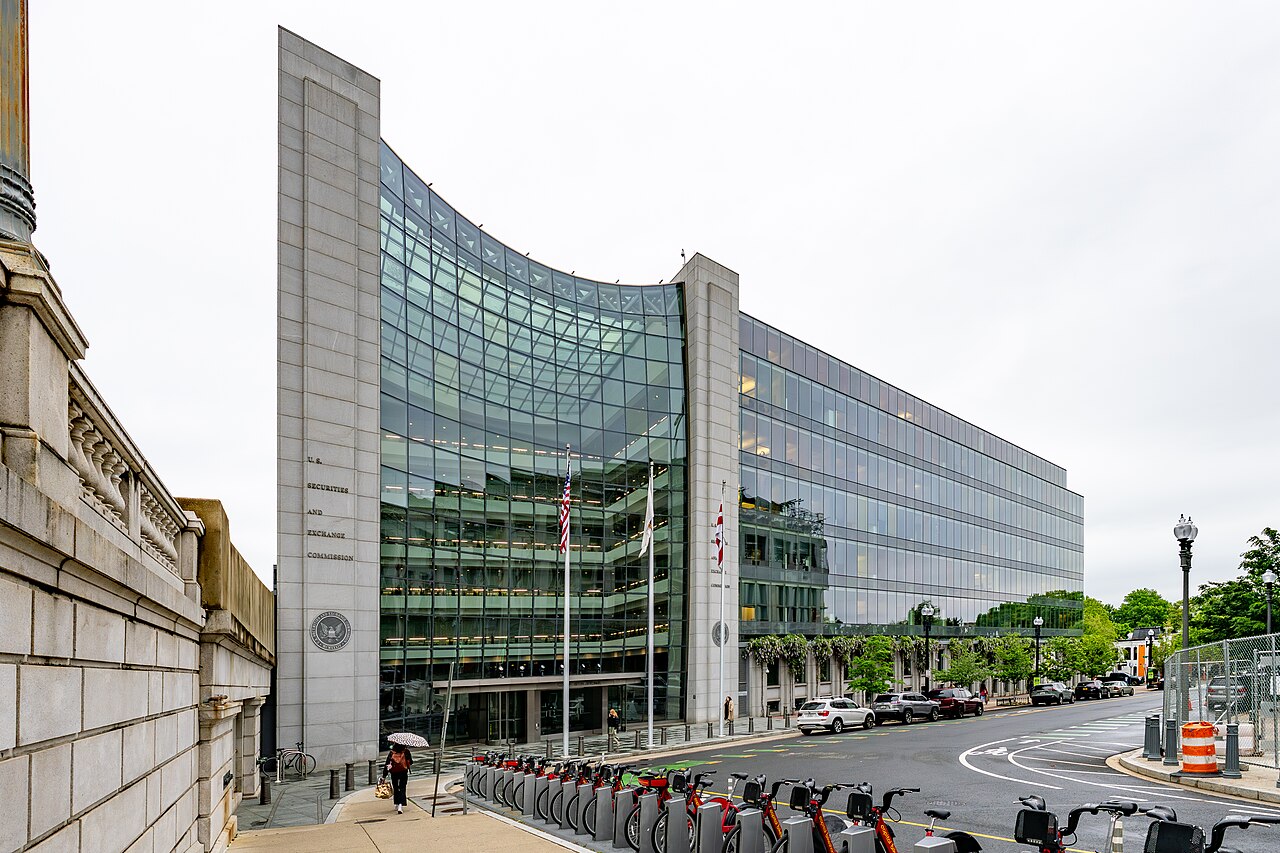
Last week, the Securities and Exchange Commission rolled out its most pro-business crypto regulatory framework proposal to date.
The SEC has called for comment on its proposal. If implemented as-is, it would remove scores of barriers for US crypto startups, including scrapping audited financial statement requirements.
Experts say the SEC’s proposals are Washington’s response to the likely failure of the Clarity Act to pass the Senate before November’s midterms.
The White House has accused Democratic senators of stalling on a Clarity vote in the hope that the Dems win control of the Senate after the nation goes to the polls.
“This development is significant in that it’s the SEC’s first real attempt at a permanent framework for digital assets, and it just so happens to coincide with the Clarity Act stalling,” Bernardo Brites, the CEO of the Brazilian crypto company Trace Finance, told Techopedia.
More Regulators Join Pro-Crypto Chorus
The SEC is not the only regulator now cozying up to the crypto industry.
Michael Selig, the chairman of the Commodity Futures Trading Commission, hit out at former SEC Chair and arch-crypto skeptic Gary Gensler during a White House meeting last week.
“We’ve exiled Gary Gensler and defeated the entire anti-crypto army,” Selig said. “The era of political lawfare, debanking, and regulation by enforcement is over.”
He also chaired the inaugural Washington meeting of the Innovation Advisory Committee on August 20.
Executives from several major crypto firms, including Coinbase, Ripple, Kraken, and Gemini, were in attendance.
There can be no doubt that President Donald Trump is decidedly pro-crypto, and has surrounded himself with crypto bulls.
But with the Democrats favored to take control of both the House and the Senate in November’s midterms, has the Trump administration left it too late to push through meaningful crypto regulatory reforms?
Experts say no.
“The Trump administration will succeed in its bid to bring crypto into the mainstream financial world,” David Han, a crypto trader and the owner of the data provider AIStockWire, told Techopedia. “But it’s probably not going to happen right away.”
Han said the administration has not won over enough pro-crypto Democratic senators to win a mid-September Clarity Act vote.
But the White House “hosting crypto executives right after regulators unveiled the SEC’s new crypto rules shows how fast the administration is moving,” Han added.
“If the vote fails in September, I expect the Trump administration to try again,” he said.
Trump’s Crypto Policies ‘Have Wooed Wall Street’
The Trump administration has won over Wall Street with its crypto policies, say others. And that could help ensure meaningful change happens regardless of who controls the House and the Senate at the end of the year.
“The current administration will succeed by enabling more crypto-friendly policies with loosened and clearer regulatory rules,” Joe Lackner, the founder of the crypto data provider Coin Interest Rate, told Techopedia. “These new policies will give banks, fintech firms, and other startups the confidence to bake crypto into more of their products.”
If regulators remove the remaining uncertainty from the crypto space, experts say banks will move fast.
“For the moment, banks and payment processors shy away from dealing with crypto because the compliance burden is very nebulous,” Kevin Shahnazari, the co-founder and CEO of the Canadian fintech firm Savvo, told Techopedia. “Clarity from the SEC would likely diminish most of the trepidation from banking and payment processors.”
Fundraising Issues Key, Say Experts
The SEC’s proposals put a heavy focus on fundraising.
Some of the regulator’s key demands involve letting larger crypto firms raise up to $75 million in capital per year and allowing crypto investors to sidestep state-level investment registration requirements.
“The proposal outlines two different paths for crypto issuers to raise capital without having to fully register securities,” said Brites. “Additionally, it creates a safe harbor for project teams that have stepped back, so they no longer have to abide by [some] securities rules.”
If the SEC gets its way, much could soon change for firms and individuals currently outside the crypto space, the experts agree.
If the regulations come into force, “people should probably study crypto custody and taxation rather than trading strategies,” said Shahnazari.
He backed mainstream financial firms to roll out crypto-related products in “easy-to-understand formats.”
“The protections and features of these regulated products will address most of the concerns of investing in crypto today,” Shahnazari added.
‘Time to Take Bitcoin 101’
Forward-looking firms looking to future-proof themselves in a regulated crypto world would benefit from taking a crash course in Bitcoin and blockchain.
“People should start by understanding the basics,” said Lackner.
They should learn about what stablecoins are, how custody and digital wallets work, and what investor protections platforms provide, he added.
Bank customers used to Federal Deposit Insurance Corporation protections for sums up to $250,000 could be in for a rude awakening if they fail to do their crypto homework, Lackner added.
“There is no FDIC deposit protection [in the crypto space],” he said, “So don’t replace your emergency fund with a stablecoin or crypto coins unless you fully understand how it works.”