


 When you buy through affiliate links in our content, we may earn a commission at no extra cost to you. Learn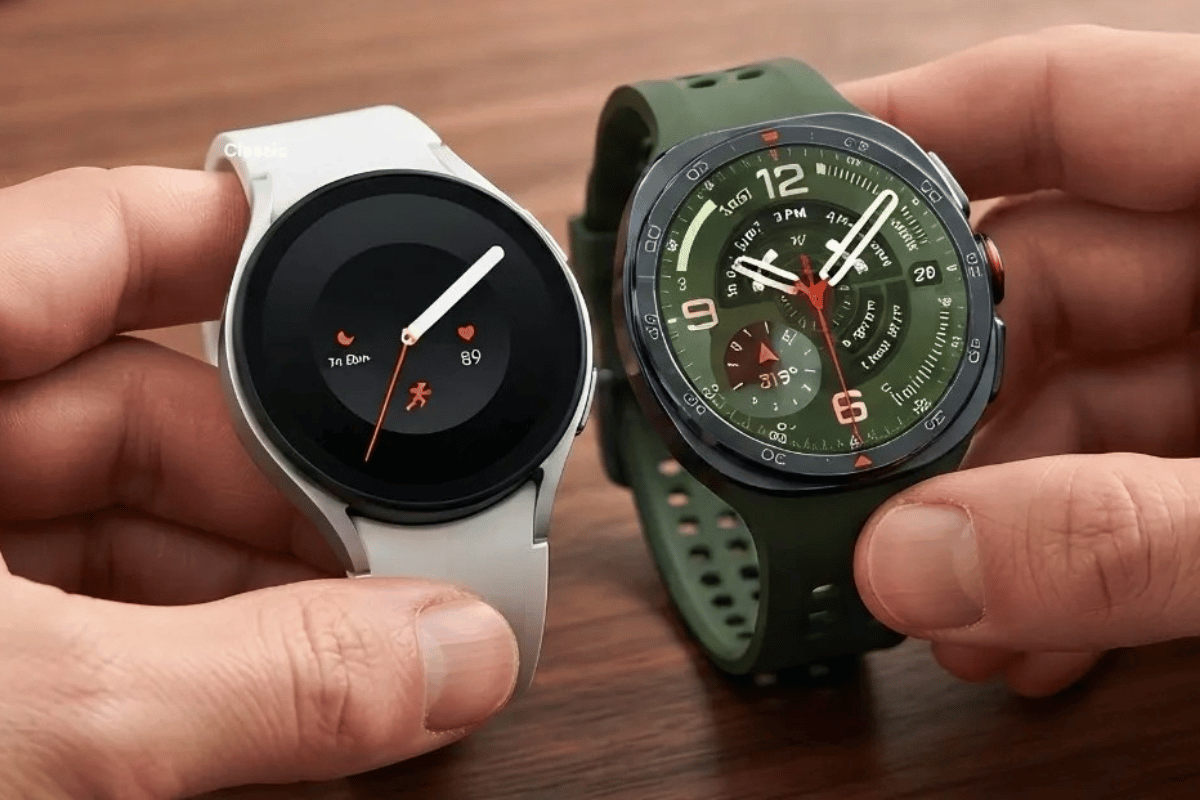
Samsung will unveil the Galaxy Watch 9 and Galaxy Watch Ultra 2 at a Galaxy Unpacked event in London on July 22, but some owners of the current models are disappointed that they will lose a health feature before the end of the month.
Samsung plans to remove Vascular Load, an overnight cardiovascular metric that the company included in Samsung Health Labs last year. According to a notice sent to users, the company will remove the feature in the US when it releases One UI 9 Watch and Samsung Health 7.0 in late July.
Owners will need to export any readings from the app if they want to access them in the future, as Samsung will otherwise wipe them. Samsung didn’t reveal exactly why it’s removing the feature.
New Feature Requires an External Monitor for Initial Reading
Samsung calls the replacement Blood Pressure Trend. The company confirmed in the same notice that it will introduce the feature on the Watch 9 and Watch Ultra 2 before rolling it out to older models. It will periodically sample blood pressure, chart the direction of travel over several weeks, and attach habit suggestions. Users will need an external blood pressure cuff for the initial calibration.
Blood Pressure Trend and Vascular Load have some significant differences. Vascular Load ran passively while users slept, using optical blood flow signals that the watch’s rear sensors collected to estimate strain in the circulatory system. Blood Pressure Trend will require separate medical equipment before it can produce a reading.
Reddit users have speculated that US regulatory pressure may have prompted the decision.
New Health Features That Samsung Is Adding
Samsung will replace Vascular Load with Heart Health Score, which will combine sleep, stress, activity, and body composition data into a single daily figure. iTech Post reports that users will need both a compatible Galaxy Watch and a Galaxy Ring to use the feature.
That means watch-only owners will lose one feature without automatically gaining its replacement. They will need to buy a second wearable.
One UI 9 Watch will also include several additional features. Daily Cardio Load will track accumulated training strain and suggest when users should rest. A Fitness Index will benchmark users’ heart rate, VO2 max, and step counts against those of their peers.
Hearing Health will use the microphone to flag ambient noise that reaches levels loud enough to cause damage. Samsung will also upgrade the existing AGEs Index and Antioxidant Index so they can track trends over time.
Although rumors have linked non-invasive glucose monitoring to the Ultra range for many years, no credible evidence suggests that Samsung will introduce it anytime soon. Companies across the industry continue to struggle with the underlying measurement problem.
Going From Three Watches to Two
Samsung is also narrowing its smartwatch lineup. The company will reportedly launch only the Galaxy Watch 9 in two sizes and the Galaxy Watch Ultra 2, with no Classic model.
Samsung has generally released Classic versions during even-numbered generations since 2021, which would put the next model in the cycle in 2027. Neither FCC nor CMIIT filings included a Classic model this year.
Improvements to Samsung Foldable Displays
Samsung also unveiled Flex Titanium this week, a redesigned foldable display structure that the company will use in the next generation of Galaxy foldables. Samsung is expected to share more information during the Galaxy Unpacked event in London on July 22.
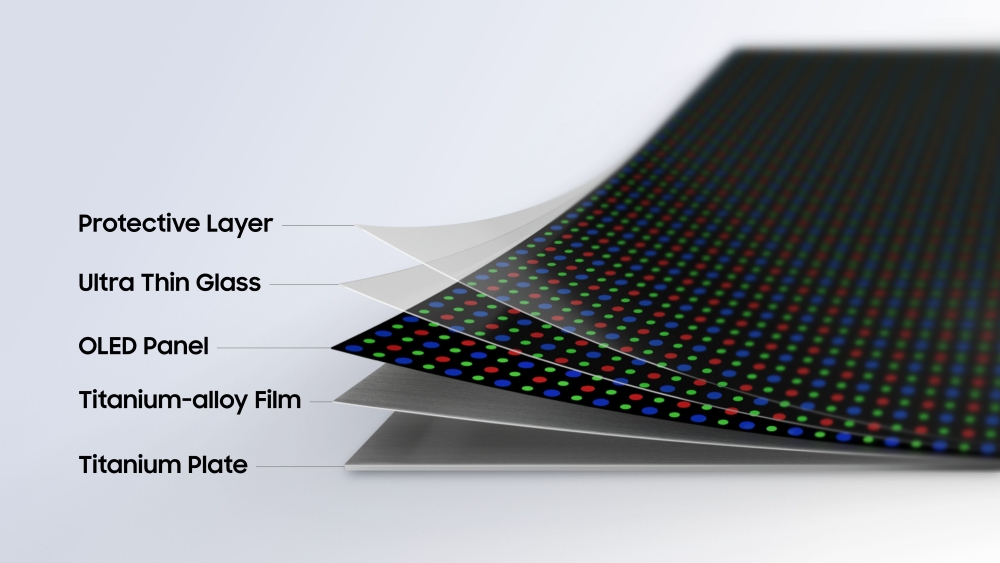
The company said in its press release that it will add titanium to two layers of the display stack. It says this material will make the structure 20 times stiffer than the polymer film it replaces underneath the OLED panel. A titanium plate will also support the module from underneath.
Samsung says the new structure will improve durability, make the crease less visible, and avoid adding thickness. The company also claims that higher-resolution architecture and new organic materials will improve power efficiency. Samsung fans will watch closely for further details about both the smartwatch changes and the new Flex Titanium display at the upcoming London event.