

 When you buy through affiliate links in our content, we may earn a commission at no extra cost to you. Learn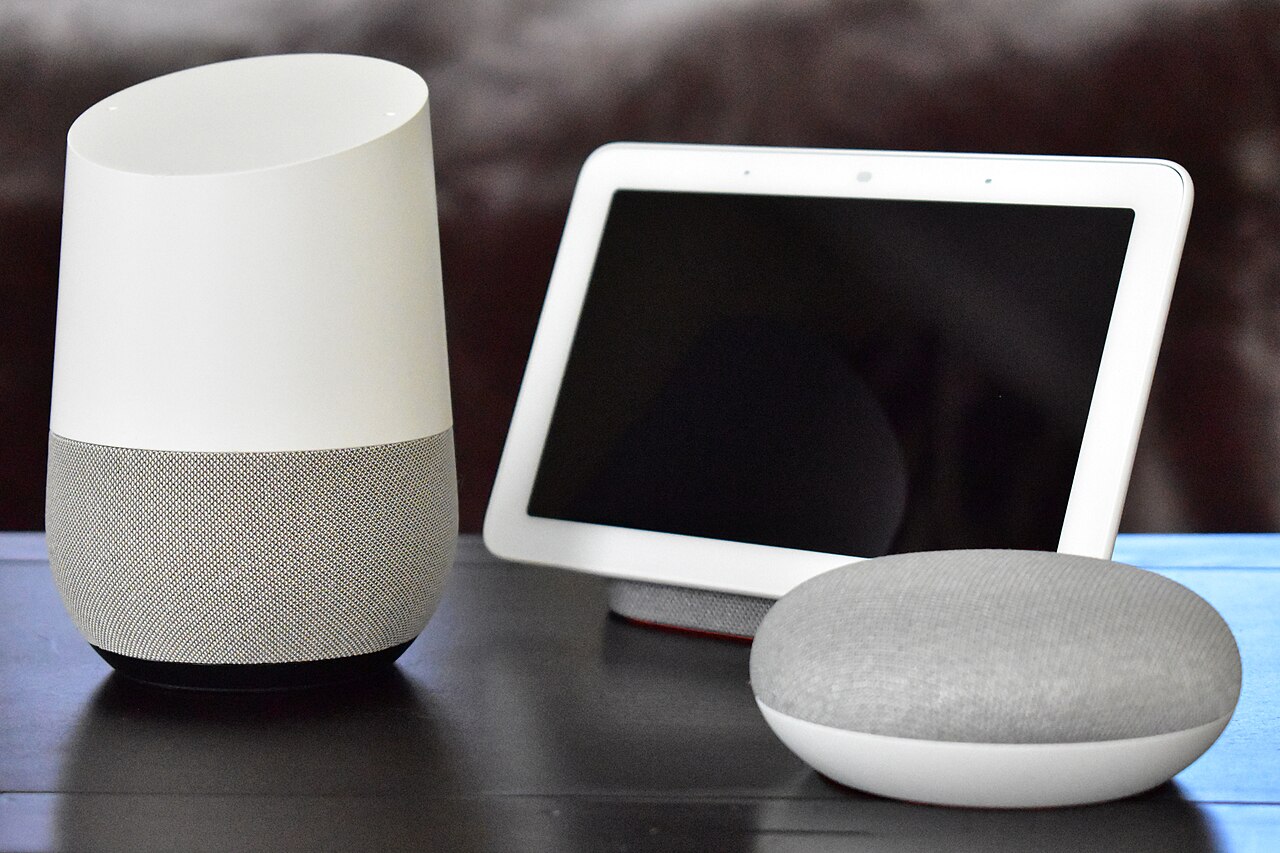
Google has announced “Continued Conversation” for its Gemini for Home AI system, which allows for follow-up questions and commands to Nest speakers and smart displays without the need to repeat the wake word each time.
In an announcement on April 21, the company said it had already started rolling out the feature.
When Google began replacing Google Assistant with Gemini back in early 2024, it felt like a technological regression for many power users.
Before the update, they could have back-and-forth conversations with their smart speakers without having to speak the wake word. That changed with Gemini. In principle, there was more that the AI-powered smart assistant could do — write a poem about their refrigerator, for instance. Yet it failed at what many would consider a basic task: handling follow-up commands without being prompted again.
Fixing that shortcoming may sound like a minor update. However, for the millions of people who use Gemini-powered devices, the Continued Conversation feature will go a long way toward alleviating wake-word fatigue.
Instead of having to say “Hey Google” every time they want to set another timer, dim the lights, or ask a follow-up question, they can have a more natural back-and-forth exchange. This is because Gemini will now keep the microphone active for a few seconds after a response.
Google also says Gemini for Home can use Side-Talk to tell the difference between a follow-up command and nearby conversation, which helps reduce accidental activations.
That’ll give users enough time to do things like adjust the thermostat, add another reminder, or ask for the weather after checking their calendar, all without having to repeat the wake word.
For all the excitement around advanced AI, it’s often the little things that matter most, especially when it comes to voice assistants. People judge these devices by whether they make their lives easier.
In that sense, this week’s update achieves that goal. It’s not a flashy new capability, but it does restore basic functionality that people already expect from smart-home tech.
Why Continued Conversation Matters for Gemini for Home
We can look at what happened with Gemini for Home as a prime example of racking up “UX debt.” In their race to integrate generative AI into every piece of hardware we use and thus every aspect of our lives, tech giants have prioritized “reasoning” over “reliability.”
The problem with that approach is that, as consumers, we realized we don’t necessarily want a philosopher in the kitchen. We want a butler: an assistant that can handle simple follow-up tasks quickly, without making us work for it.
That’s what made the loss of Continued Conversation so noticeable. Gemini could do much more sophisticated things on paper, but then it stumbled when it came to one of the things that made smart speakers so useful in the first place.
The good news is that it looks like Google understands that for a smart home to truly feel smart, the technology has to fade into the background, in a sense. Reducing the cognitive load of having to repeatedly say “Hey Google” is a step in the right direction.
After all, as the AI battles continue, the AI-powered tech that wins the hearts and minds of the masses will likely be the one that causes the least friction for its users.
Also in Consumer Tech News
YouTube Gives Users More Control Over Shorts
YouTube users can now set their Shorts feed limit to zero in the mobile app’s time management settings. According to reporting from The Verge, if a user chooses the zero-minute time limit, they’ll no longer see Shorts on the YouTube app on their Android or iOS devices.
Documentation posted to YouTube Help confirms the change, saying users have “the option to set [their] feed limit to zero.” The new policy shows that one of the biggest tech platforms is finally giving users a way to escape from the endless short-form scrolling that dominates so much of social media today.
While YouTube isn’t giving up on Shorts, it’s at least recognized that many of its users want some control over how aggressively the format is pushed into their feeds.
Threads Launches Live Chats for Real-Time Conversations
Meta is bringing Live Chats to Threads. The company describes this new feature as being a way for people to join real-time public group chats about things that matter to them.
In its statement announcing the Live Chats, Meta emphasized the cultural value of the feature, which it says “lets you participate in public group chats during the biggest cultural events.” The introduction of Live Chats seems to be a way for Meta to differentiate Threads from platforms like X and Bluesky by making its app feel more timely.
Up until now, Meta’s text platform hasn’t been able to compete with competitors like X for real-time conversations. Live Chats looks like another attempt to catch up in that arena. Meta has been trying to improve the platform’s relevance during breaking news events, instead of just a place where people go to catch up afterward.
WhatsApp Tests a Premium Subscription Tier
WhatsApp is testing a paid subscription called WhatsApp Plus, Meta confirmed in a statement to TechCrunch. The paid tier comes with mainly cosmetic perks, including custom themes, app icons, stickers, and ringtones. The company doesn’t have any current plans to add major functional upgrades.
Still, it’s worth keeping an eye on if you’re a WhatsApp user because the latest move gives us a glimpse of how Meta might be trying to make more money from the world’s most popular messaging app. At least for now, it doesn’t look like Meta has any plans to turn its core messaging features into a paid product.
Amazon’s New Fire TV Stick HD Gets Smaller and Less Cluttered
Amazon has announced a new Fire TV Stick HD, which it says will be about 30% slimmer than the previous model and can be powered directly via a TV’s USB port, eliminating the need for a wall adapter.
The latest Fire TV Stick will begin shipping to customers in multiple countries on April 29. It’s also faster than the last-generation Fire TV Stick and supports Wi-Fi 6 and Bluetooth 5.3. Amazon confirmed to Lowpass that the new device runs Vega OS, a proprietary Linux-based system, making it the second device powered by the operating system.
Lowpass reports that all future Fire TV Sticks will use Vega instead of Android, marking the end of the Android era for Amazon devices. However, as 9to5Google reports, the new operating system also means no more sideloading, as Vega isn’t compatible with Android APKs.