

 When you buy through affiliate links in our content, we may earn a commission at no extra cost to you. Learn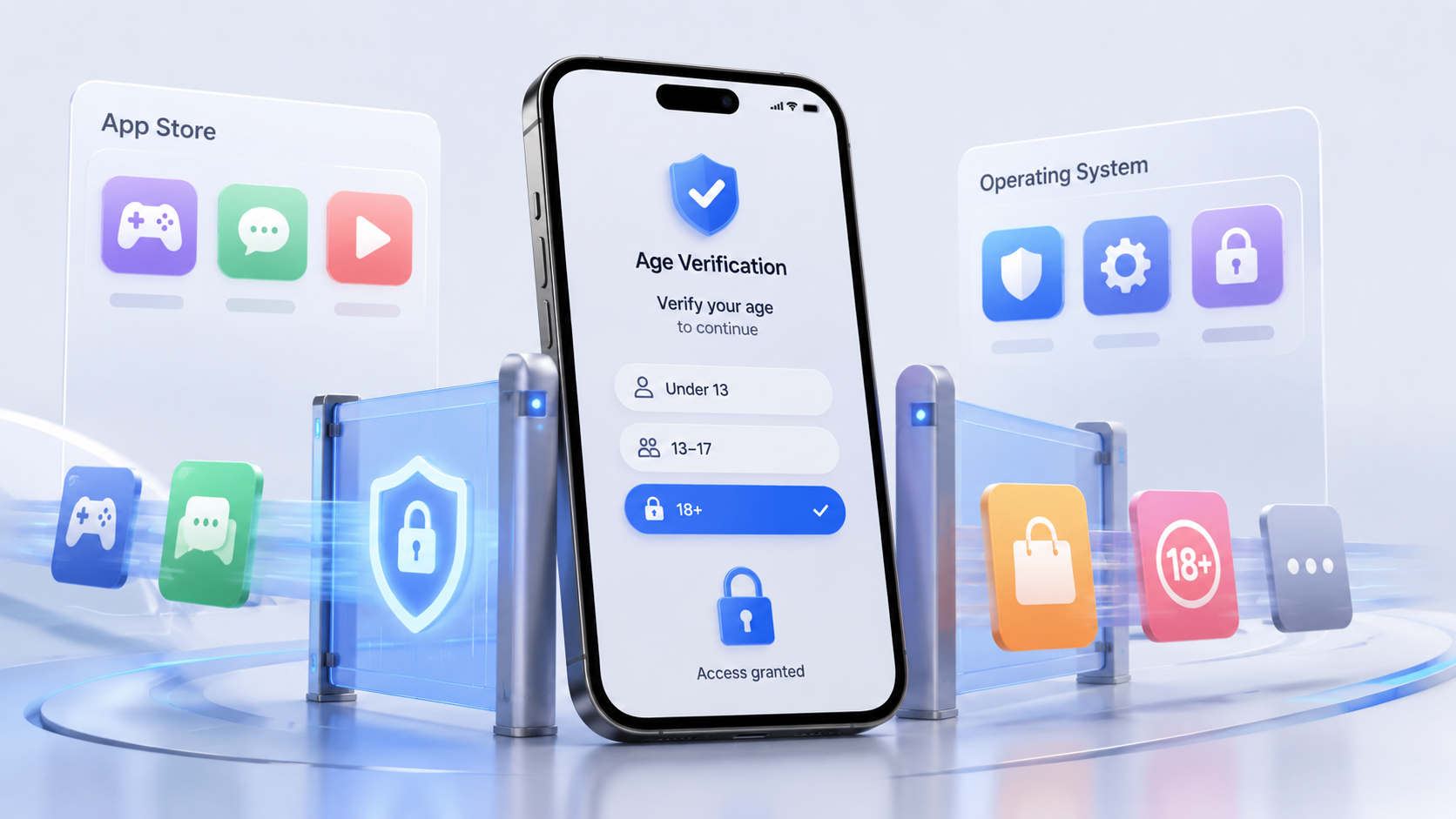
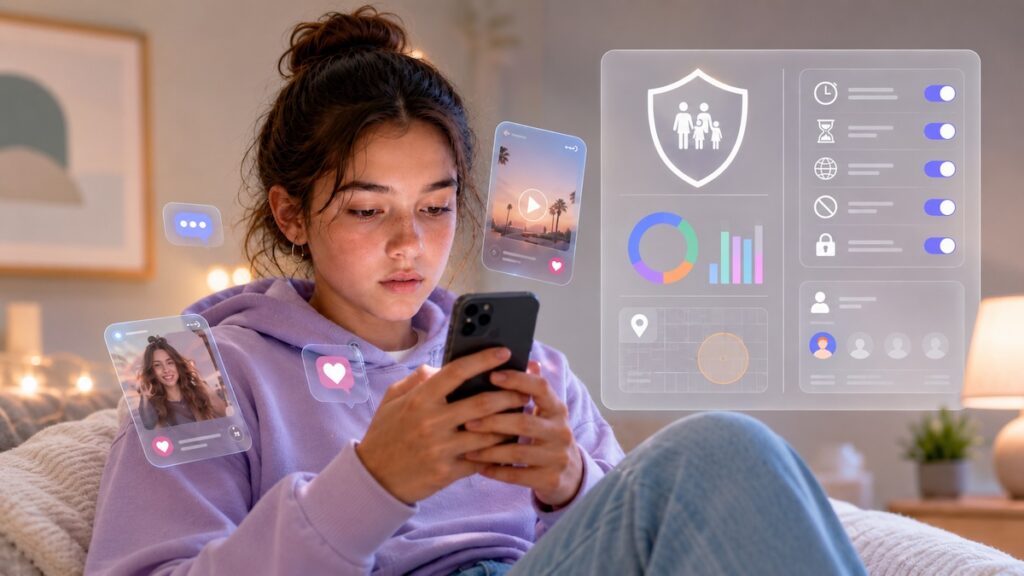
Apple and Google are working to integrate age verification into their mobile devices, while state lawmakers push to make such checks mandatory. Right now, age checks for various services are handled in a piecemeal fashion by individual websites and apps. Under the new system, the digital hardware itself will become a virtual gatekeeper, determining which apps its owner can access and how much personal data it will disclose.
These changes are already underway, with Apple and Google having built tools that alert apps to the user’s age range through their respective app stores. Louisiana is now positioned to become the first state where that new model will go into effect, starting July 1, 2026. California is taking it a step further by requiring operating systems to collect age information at account setup and make age-verification signals available to app developers beginning in 2027.
The upside, from a user’s perspective, is that the new systems should be seamless, sparing users from having to go through a separate verification process for each app. But the change looks to be even bigger than that. If the rollout goes as planned, our devices may become part of the larger internet’s age-gating system, passing the same information to web apps as part of the onboarding process.
Age Verification Is Moving From Websites to Phones and App Stores
Until now, online age verification has mostly been handled service by service. A website asks for your date of birth. A social media platform tries to estimate a user’s age. A gambling or adult website may require more formal proof. Newer state laws are poised to take a different approach by requiring app stores to play a central role in age verification.
Apple put that expectation in writing in its February developer update. “Age categories will be shared with the developer’s app when requested through the Declared Age Range API,” the company said.
Google has also prepared a Play Age Signals API that provides developers with users’ age ranges, verification or supervision status, and related signals in covered states.
Louisiana’s model shows us what the new approach could look like in practice. Under the state’s App Store Accountability Act, app stores must request and verify a user’s age when they create an account. From there, developers can use the app store’s data-sharing tools to check a user’s age range. If a user is a minor, developers would be able to confirm that parental consent has been granted for app downloads or in-app purchases.
Similar laws have been introduced in other states, including Texas, Utah, and California, but some have been delayed or challenged in court. Still, they all share a basic idea: app stores should help establish a user’s age and pass that information to developers.
California’s Law Makes Age Checks Part of Device Setup
California’s Digital Age Assurance Act is set to go into effect on January 1, 2027, and will expand the app store age verification model to the operating system level. Under the law, operating system providers will be required to ask users for their birth date, age, or both during account setup.
Governor Gavin Newsom described the law as “a much-needed system of age verification for users of mobile devices and computers.” He went on to say that “Parents who allow their child to be a main user of a device will be able to configure the device to inform application developers of the child’s age.”
The law doesn’t require an exact birth date to be sent to every app. Instead, it defines “age bracket data” as “nonpersonally identifiable” information derived from age or birth date, and it tells operating system providers to send “only the minimum amount of information necessary” to comply.
Privacy Protection or ‘Big Brother’ Tech?
There are privacy arguments both for and against this new age verification model. If an app store or operating system can provide developers with a user’s age bracket, fewer apps would need to collect more precise and sensitive data directly from users.
However, as efficient as the new system appears to be, it comes with a trade-off. Phones, tablets, and computers will be taking on a new role. They’re going beyond just helping people connect to apps; they will help determine what those apps should know about the person on the other side of the screen.
That becomes complicated once such a setup includes devices that are less personal than a smartphone. Newsom acknowledged concerns from streaming services and video game developers about “multi-user accounts shared by a family and user profiles utilized across multiple devices.” He urged lawmakers to address these concerns before the law takes effect.
It’s that caveat that gets at the consumer-tech problem buried underneath the policy debate. A phone usually maps neatly to one primary user. However, the TV in your living room, the laptop you share with your spouse, and the game console you play with your kids often do not.
The legal fights over this new form of age verification are still ongoing. Texas’ law is on hold for now, Utah has already pushed its timeline back, and there may be changes to California’s framework before 2027.
But the technical groundwork is moving full steam ahead. Apple and Google are preparing age-signal tools. Louisiana is positioned to test the app-store version this summer. California is preparing a more ambitious operating-system version next year.
The age-gated internet won’t be limited to individual websites and apps for much longer. It’ll soon be built into the devices we use every day.