


 When you buy through affiliate links in our content, we may earn a commission at no extra cost to you. Learn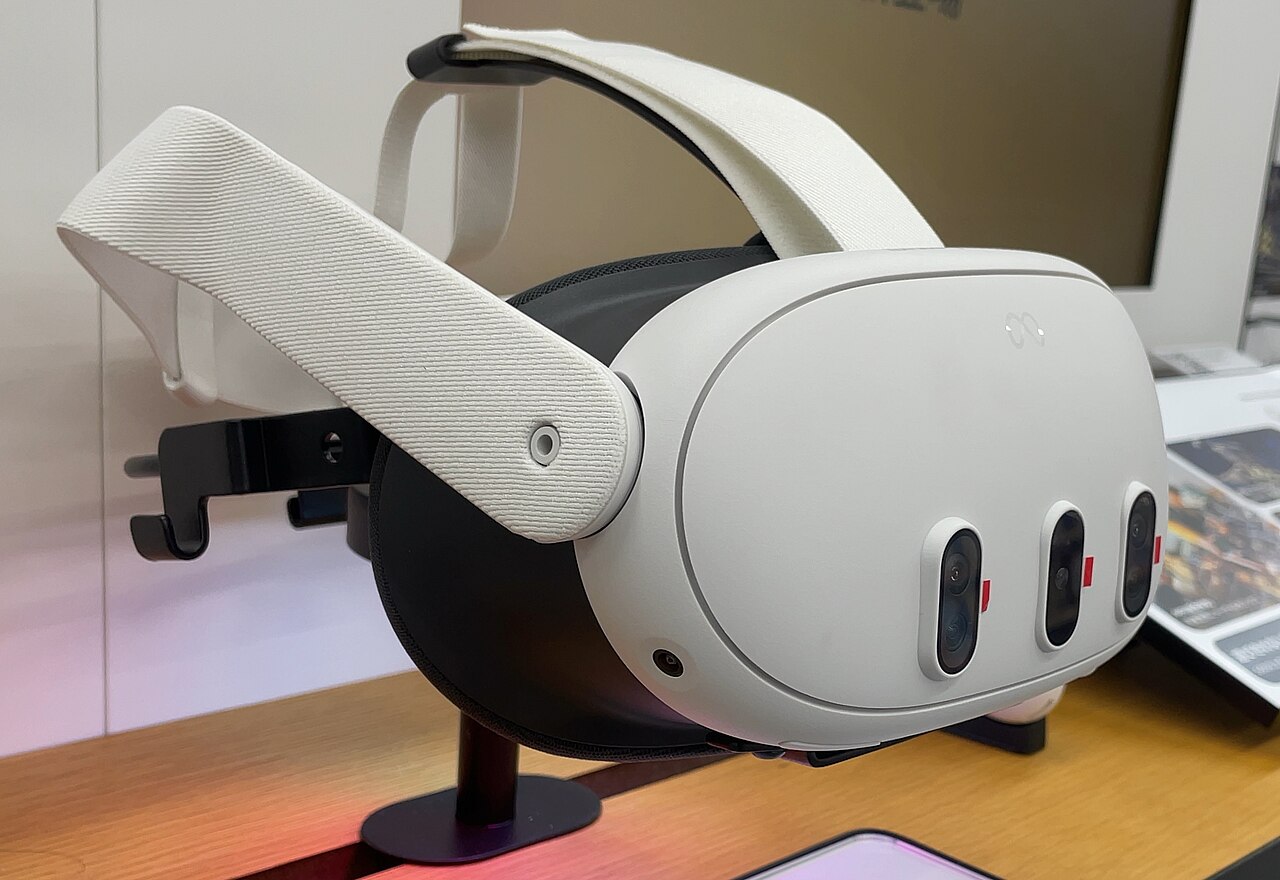
Prices for the Meta Quest 3 and Meta Quest 3S VR headsets are set to go up on April 19, Meta Platforms announced on Thursday.
The company blamed the price hike on the rising cost of high-performance hardware, particularly memory chips. It claims the trend is affecting the consumer electronics industry across the board.
Following the increase, consumers in the United States will pay $349.99 for the Quest 3S 128GB, $449.99 for the Quest 3S 256GB, and $599.99 for the Quest 3 512GB. Meta accessories will stay at their current prices, but the pricing for refurbished Quests will be updated.
Meta tried to make the price hike more palatable by saying its VR headsets are best-in-class and by touting frequent updates that improve the user experience. However, as it attempts to win over mainstream buyers, the higher prices will likely make that goal much harder.
Looking at Meta’s April 16 announcement, it seems like just another hardware price increase, something most consumers are used to. However, it’s also a useful snapshot of where consumer tech is heading.
The Bigger Story Behind Meta’s Price Hike
While Meta pointed to the rising cost of memory chips, it didn’t get into the root causes of that increase. Demand for high-end hardware is skyrocketing because so much of it is being used by the AI industry.
According to a December 2025 report from International Data Corporation (IDC), “The rapid expansion of AI infrastructure and workloads is exerting significant pressure on the memory ecosystem.”
While most attention has been focused on how this affects smartphones and PCs, given that VR headsets like Quest also rely on the same supply chain, it was only a matter of time before we started seeing higher costs in the VR market as well.
IDC has dashed any hopes of a quick recovery. The Boston-based technology analysis firm’s vice president for Worldwide Client Devices, Francisco Jeronimo, put it bluntly in March:
“What we are witnessing is not a temporary squeeze, but a tsunami-like shock originating in the memory supply chain, with ripple effects spreading across the entire consumer electronics industry.”
Most talk about AI’s impact on everyday gadgets is about new features, smarter assistants, and more personalized software. But Meta’s price hike shows that the pressure is also being felt in the supply chain and ultimately in what consumers end up paying.
Also in Consumer Tech News
Google to Penalize “Back Button Hijacking”
Starting on June 15, Google Search will officially classify “back button hijacking” as a spam violation. The practice involves websites interfering with a person’s browser navigation to stop them from easily returning to the previous page.
Google said users may be sent to pages they never visited, shown unsolicited recommendations or ads, or otherwise prevented from browsing normally. Site owners have two months to remove any scripts, ad tools, or libraries that cause this behavior. Sites that keep using these tactics after the June deadline could face manual spam actions or automated demotions that could stop them from appearing in search results.
Chrome Extensions Linked to Data Theft and Session Hijacking
Researchers at Socket have identified a cluster of 108 Chrome extensions designed to harvest Google and Telegram credentials while injecting gambling ads into search results. According to the report from Socket’s Threat Research Team, the extensions in question accounted for about 20,000 Chrome Web Store installs.
These extensions masquerade as translation tools, TikTok helpers, Telegram clients, YouTube enhancers, and other utilities. Their discovery highlights how common such vulnerabilities are in the Chrome Web Store ecosystem. Socket said the extensions were still live at the time of writing and that it had submitted takedown requests to Google.
Gemini Is Now a Native Mac App
Google has launched a native Gemini app for macOS, giving users a desktop version that can be summoned from anywhere by pressing Option + Space.
The app lets users show Gemini anything they have on their screen, including local files, so Gemini can answer questions based on what they’re looking at. Google says the app is available globally at no cost to Gemini users running macOS 15 or later.
Spotify Enters the Physical Book Market
Spotify announced a new batch of book-focused updates on April 15, including physical book sales in the U.S. and U.K. through its partnership with Bookshop.org. Android users in those markets can now buy printed books through the Spotify app, while iOS users will have to wait until next week.
Spotify also said Page Match is expanding to more than 30 additional languages, Audiobook Recaps are now on Android, and Audiobook Charts are launching in Germany, with a new kids and family chart coming to the U.S. and U.K.
Google Meet Now Available on Android Auto and CarPlay
After rolling out on Apple CarPlay last week, Google Meet is now officially available on Android Auto as well. The new feature lets users join meetings from their vehicle’s dashboard in audio-only mode.
However, since it’s audio-only for safety reasons, features like screen sharing and “raise hand” won’t be available while the vehicle is in motion.