

 When you buy through affiliate links in our content, we may earn a commission at no extra cost to you. Learn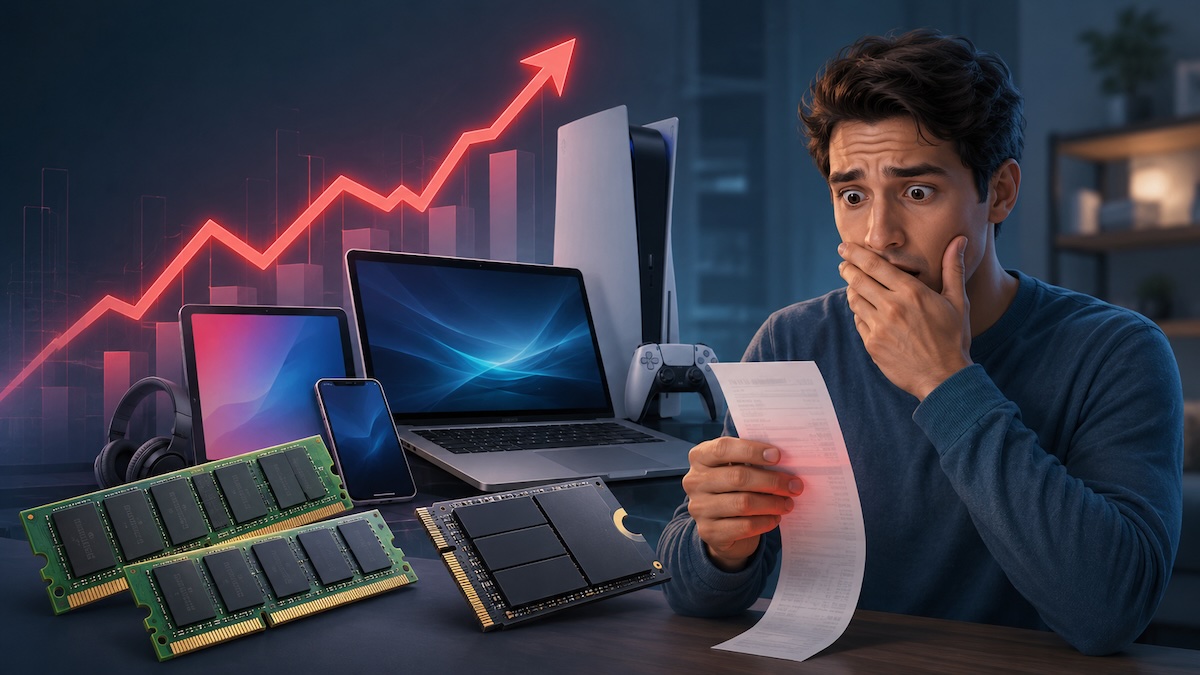
The price of Apple devices will go up in the not-too-distant future, as the AI boom continues to drive up the cost of memory and storage chips.
In an interview with the Wall Street Journal on June 17, Apple CEO Tim Cook confirmed that higher prices are coming as DRAM and NAND costs rise across the consumer electronics industry.
“Unfortunately, price increases are unavoidable,” Cook said, adding that Apple had tried to keep the costs down for its customers as long as possible but wouldn’t be able to do so indefinitely.
When most people use AI, they don’t think about the costs involved with the technology. Cook’s warning is, in some ways, a wake-up call for those of us who use AI in our day-to-day lives.
From smart assistants and image tools to search result summaries and chatbots, all of those software features we enjoy depend on a physical supply chain.
AI data centers need huge amounts of memory and storage, and all that demand is now competing with the components used in our phones, laptops, tablets, VR headsets, and other devices.
AI Demand Could Push Apple Device Prices Higher
Apple hasn’t said which products will get more expensive or given a date for its price hikes. However, those who follow the company are looking ahead to the next major device cycle, including the expected iPhone 18 lineup in September.
The Wall Street Journal reported TechInsights’ estimate that Apple would need to add around $270 to the next iPhone Pro model to pass along higher component costs to consumers while preserving its margins.
That doesn’t necessarily mean shoppers would see that exact number reflected in the price of Apple products. There’s always the possibility that the company will decide to absorb some of the costs, adjust storage tiers, change configurations, or spread increases across different product lines.
However, Cook’s comments suggest the company doesn’t believe it can deal with the current memory crunch through normal supply chain maneuvering alone.
Independent research backs up what Cook told the Wall Street Journal. In February, technology and research consulting firm Gartner projected that surging memory costs would push PC shipments down 10.4% and smartphone shipments down 8.4% in 2026.
The firm also estimated that combined DRAM and SSD prices could rise 130% by the end of the year, driving up PC prices by 17% and smartphone prices by 13%.
Memory Costs Up 58% to 75%
Market research firm TrendForce has also highlighted a significant increase in the memory market, saying AI server demand is keeping supply tight as DRAM suppliers reallocate capacity toward server-related products.
In March, the firm forecast conventional DRAM contract prices would rise 58% to 63% quarter over quarter in the second quarter of 2026, with NAND Flash contract prices rising 70% to 75%.
Apple isn’t the first tech giant to raise prices over memory costs. In April, Meta raised prices for its Quest 3 and Quest 3S VR headsets, blaming the rising cost of high-performance hardware, particularly memory chips.
If you’re planning to buy an Apple device or other consumer gadgets any time soon, you may find AI affects the price tag even when you’re not paying for it directly as a service.
You might see it in the cost of a new iPhone, a higher Mac configuration, fewer cheap storage options, and more expensive devices across the spectrum of consumer tech.
Cook described the shock as unusually severe. “This is a hundred-year flood,” he told the Wall Street Journal. “I’ve never seen anything like it in any area in over 40 years.”
Also in Consumer Tech News
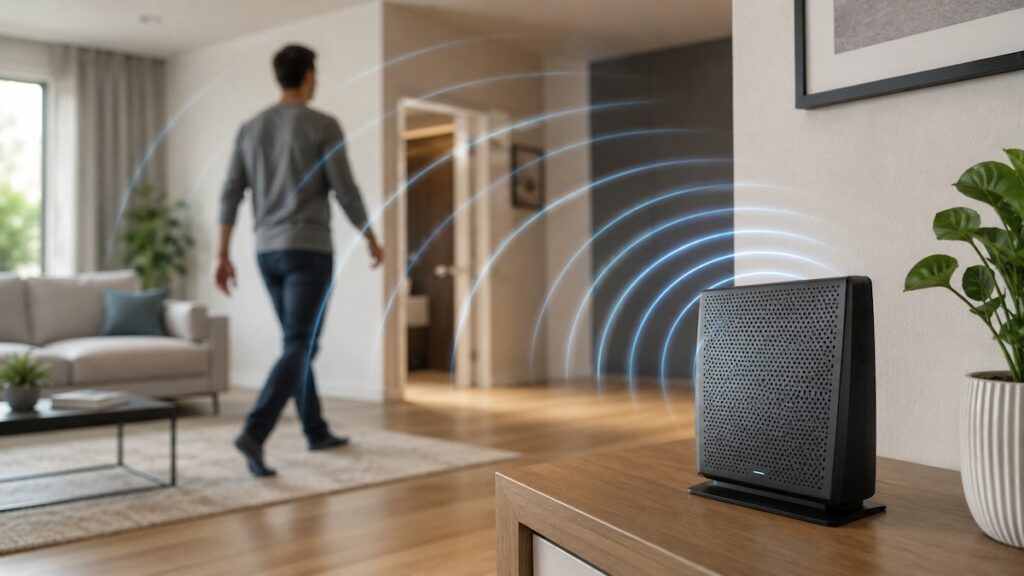
Google Home Speaker Gets a June Launch Date
The new Google Home Speaker is available for preorder and will go on sale June 25 for $99.99. It’s Google’s first audio device built specifically for Gemini for Home and is coming out just as the company tries to make its home assistant more conversational.
The speaker can handle more natural voice commands, including multi-step requests and follow-up conversations. That change could make everyday smart home tasks feel less rigid, especially for those who want to control lights, music, thermostats, and other connected devices without having to carefully phrase every command.
Buyers will be able to take advantage of a six-month trial of the standard Google Home Premium plan, which comes with more advanced Gemini features.
Google Rolls Out New Pixel Features
Google’s June Pixel Drop is bringing new AI, safety, and multitasking features to Pixel devices. The update includes Screen Reactions, which lets users add selfie videos directly to screen recordings, as well as Gemini tools for video creation, music generation, and photo editing.
Bubbles, the multitasking feature that turns apps into floating windows, is also part of the update. Users with foldables and tablets might find Bubbles especially useful, since it could make it easier to keep apps open side by side on larger screens.
Pixel Watch users get expanded emergency features that automatically notify loved ones and call emergency services if the device detects a hard fall, a severe car crash, or a loss of pulse.
Nothing Expands to Best Buy Stores
You can now buy Nothing phones and audio products in more than 500 Best Buy stores across the United States. The in-store lineup includes the Phone (4a) Pro, Phone (3), Headphone (a), and Ear (3), with Nothing’s full portfolio also available through BestBuy.com.
Its move into brick-and-mortar stores gives the London-based brand Nothing a much larger retail presence in the U.S. market, where many shoppers still want to see and test devices before committing to a brand change.
Nothing still has a difficult road ahead of it in the U.S., where Apple and Samsung dominate the space, while Google has spent years building Pixel into a strong third option.
Having a presence in Best Buy stores isn’t going to solve that problem, but it will give Nothing more visibility with mainstream shoppers who may never follow its product launches online or buy directly from the company’s website.
Reserved by Spotify Gives Premium Users Early Access to Concert Tickets
Spotify launched Reserved by Spotify in the U.S. on June 18 through a partnership with Live Nation and Ticketmaster. Eligible Prime members ages 18 and older can use the feature, which identifies an artist’s most loyal fans based on streams, saves, shares, and location.
Once identified a user is identified as one of an artist’s most dedicated fans, Spotify will hold two tour tickets for them to buy before they’re available to the general public. The feature will give Premium subscribers a better chance of getting highly sought-after tickets for popular artists.
However, the question remains: how is the platform using data to determine who gets early access? Sure, fans may benefit from these personalized offers, but it’s a way for Spotify to get users to spend more time on the app, especially in the lead-up to big concerts, just to have a shot at being one of the lucky ones.