

 When you buy through affiliate links in our content, we may earn a commission at no extra cost to you. Learn
A run of pre-release game leaks highlights how complicated modern digital launches have become. In the space of a few days, Forza Horizon 6, Subnautica 2, and Directive 8020 all saw early, unofficial, or pirated builds appearing online before release. It raises questions about review access, platform security, DRM, and how studios manage game code before launch.
The most visible case has been Forza Horizon 6. Playground Games confirmed that a build of the racer had been obtained ahead of its planned May 19, 2026 launch. Reports around the leak initially focused on SteamDB and Steam file access, but SteamDB pushed back on that, saying its listing did not provide a way to download the game and suggesting the issue may have arisen from access granted to a reviewer or another approved early user.
Playground Games likewise said the leak was “not the result of a pre-load issue.”
The company said it would take strict enforcement action against anyone found accessing the build, including potential franchise-wide and hardware bans.
A major game launch has become a technical process as much as a marketing one. Publishers are not just preparing trailers and review embargoes. They are coordinating platform access, encrypted builds, review codes, pre-load systems, multiplayer services, day-one updates, account checks, and anti-tamper tools.
The implications of this sort of piracy go beyond the direct loss of sales. If a leaked build is not identical to the commercial release, it can expose unfinished code and create misleading early impressions. That reputational damage could have an impact on the game’s ultimate sales figures that far exceeds the number of pirated downloads, if negative impressions spread on social media.
Subnautica 2 developers Unknown Worlds confirmed that unofficial builds of the game were circulating online before its early access release, but stressed that these were incomplete development versions and did not represent the official experience. The studio also warned that unofficial files could be unstable, unsafe, or missing some of the features intended for the launch version.
Zero-Day ‘Warez’
That distinction is important for players to understand as well. A leaked development build is not necessarily the same as getting a game early. It may lack major systems, online features, optimization, bug fixes, or platform integration. In early access games especially, where the release is supposed to begin a structured development cycle with feedback and updates, an unofficial build can give players a distorted version of what the developer is actually releasing.
The reported Directive 8020 leak adds to the wider pattern. DSOGaming reported that playable versions of both Forza Horizon 6 and Directive 8020 had leaked and been cracked ahead of release, while noting the role of Steam DRM in the discussion around how quickly PC builds can be accessed once they are available in the wrong hands.
Nintendo has been hit hard since the release of the Switch. Once pirates had developed a method for extracting game data from physical cartridges, some of the platform’s most hotly anticipated titles leaked weeks early. That sort of problem is impossible to stop when the company needs to ship hundreds of thousands of cartridges around the globe well ahead of time so that they can be on shelves on launch day.
For the industry, the likely response is not hard to predict: tighter access control, more aggressive watermarking, stronger DRM, and closer monitoring of the builds sent out for preview or review coverage.
Enhancing those measures may help protect future launch windows, but they also show how much trust sits inside the pre-release chain. Developers, publishers, platforms, QA teams, reviewers, and creators get to interact with game builds before the general public does, and it only takes one bad actor to bring everything crashing down.
For players, the practical takeaway is more obvious still: unofficial, leaked builds are illegal, incomplete, and risky, meaning temptation should be avoided at all costs. For publishers, however, the harder task is protecting their launches without making legitimate access more restrictive than it needs to be.
Also in Gaming Tech News
Xbox’s Project Saluki Could Bring Game Pass to More Challenging Markets
Microsoft appears to be exploring a new Xbox Game Pass model for China, and while that sounds like a regional business story, the tech angle is more interesting. According to reports, references to “Project Saluki” were found in the Xbox PC app, described as a China market expansion for Game Pass, Rewards, and subscription tiers. The same app update also reportedly included references to “Positron,” a possible disc-to-digital ownership transfer feature.
Bringing the popular Game Pass subscription model to China is not going to be as simple as switching on yet another digital storefront. Games in China face regulatory approval requirements, meaning any catalog would likely need to be curated differently from Game Pass libraries in the US, UK, or Europe.
For the brains at Xbox, that creates a technical and platform challenge: how do you build a global subscription service that can still flex around local rules, payment systems, rewards programs, content approvals, and possibly different tiers?
Since the arrival of a new CEO, Microsoft Gaming has constantly been in the news as Asha Sharma attempts to turn around the fortunes of the business. Cracking the Chinese market may be something we don’t pay attention to in the West, but it could end up being the most important power play of the new regime.
Steam Controller’s Screaming Easter Egg—Keep It Weird, Valve
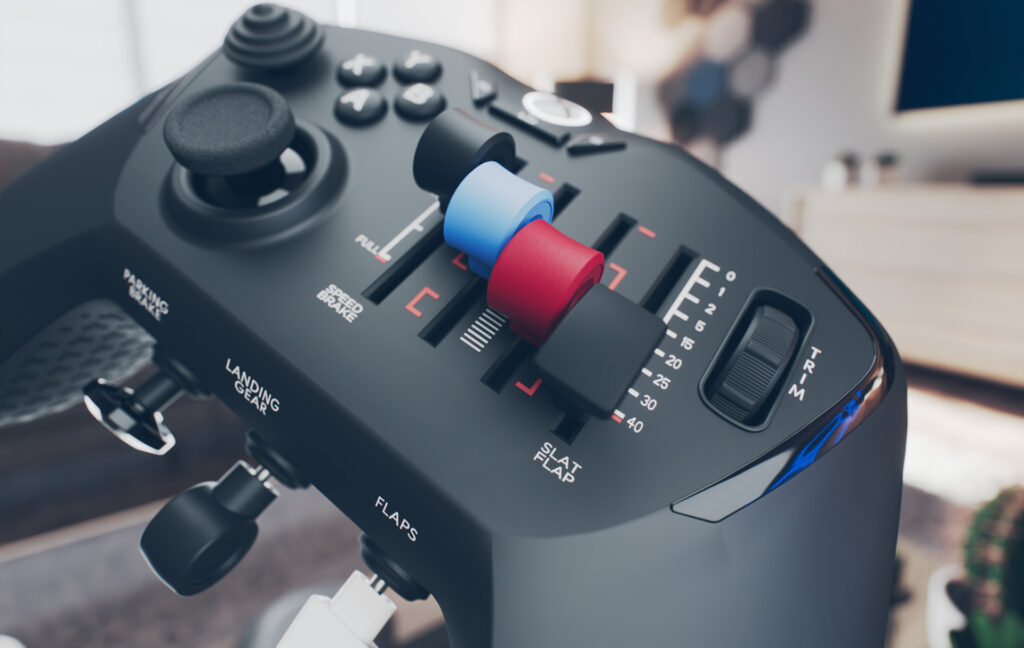
Valve’s new Steam Controller apparently has a hidden Easter egg that makes it “scream” when dropped, which is funny enough. But the most interesting part is how it does it. Notably, the controller doesn’t have any speakers.
According to The Escapist, early owners discovered that the controller can play the Wilhelm Scream when it is dropped while connected to a PC running Steam in Big Picture mode. The sound effect appears to be generated using the internal haptic motors that create in-game rumble effects. The gag also seems to depend on certain conditions and does not trigger every time.
That makes it more than just a throwaway joke. It’s a hardware achievement and proof-of-concept of the creative things one could do with haptic motors. Haptics have become a major part of modern controller design, from the PS5 DualSense’s adaptive triggers to the Steam Deck’s trackpad feedback.
For players, it is a small surprise. Although it is equally surprising that any manufacturer would encourage potentially damaging something just to get a joke in—hopefully there won’t be too many controllers smashed by users trying to trigger the scream.
GTA 6’s Wacky Trailer Theories and Data-Driven Gaming Hype
The latest GTA 6 trailer theory is a little out there, to say the least, which is also why it is interesting. One Reddit user has been comparing all Rockstar trailer drops since 2007 against planetary alignments and predicted that the next GTA 6 trailer would arrive on Thursday, May 14, 2026, at 11 AM EDT. The gaming media covered the theory with the appropriate amount of raised eyebrows, but it highlights how seriously invested gaming communities now treat patterns, dates, metadata, storefront changes, and platform activity.
For Rockstar, of course, a trailer is not just a 60-second video. It is a controlled marketing event that generates frame-by-frame analysis, social media trends, YouTube reaction content, wishlist movement, and speculation about release timing. It also affects stock prices.
Fans now analyze trailer history as they would leaked data. Now, it seems, some are even willing to dabble in astrology.